Skip to content

Learn Hydroponics

Whether you're just getting started or looking to deepen your knowledge, we've gathered the best books, guides, and university resources to help you grow successfully.

Where Should I Start?

1
Pick a system

Compare the 7 hydroponic systems below to find one that fits your space and budget.

2
Grab a plan

Browse our free building plans with step-by-step instructions and full materials lists.

3
Learn as you grow

Use the books, guides, and university resources on this page to level up.

Recommended Books

Hand-picked by our team. As an Amazon Associate we earn from qualifying purchases at no extra cost to you. Disclosure
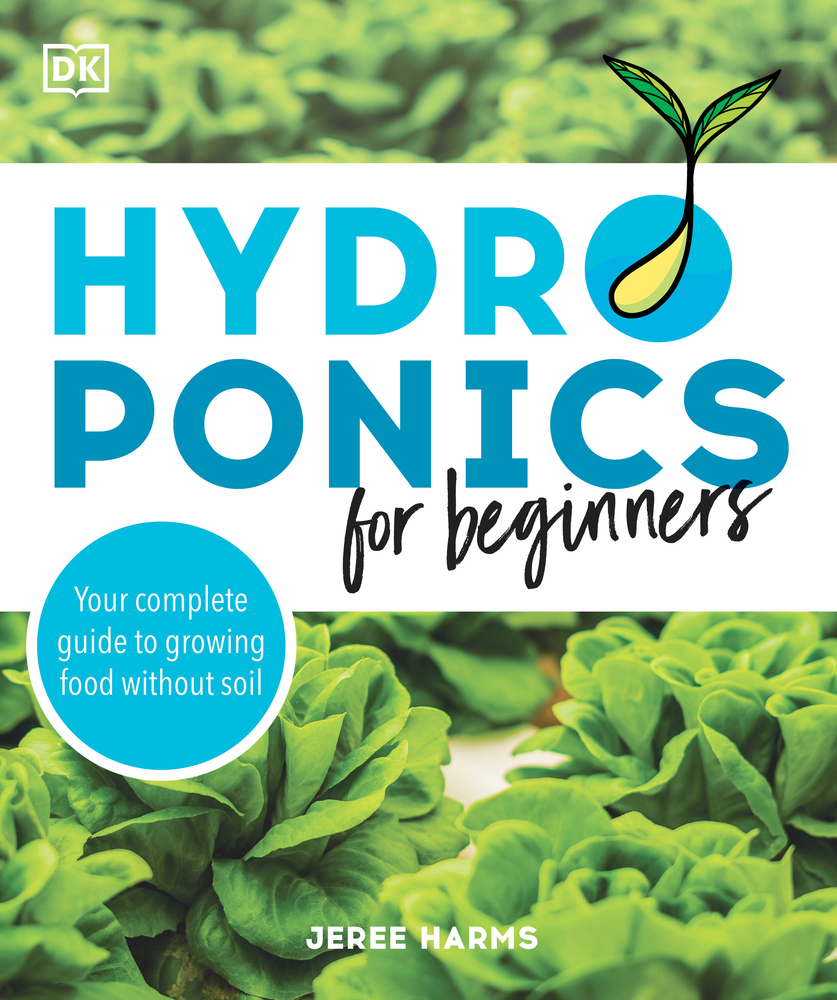
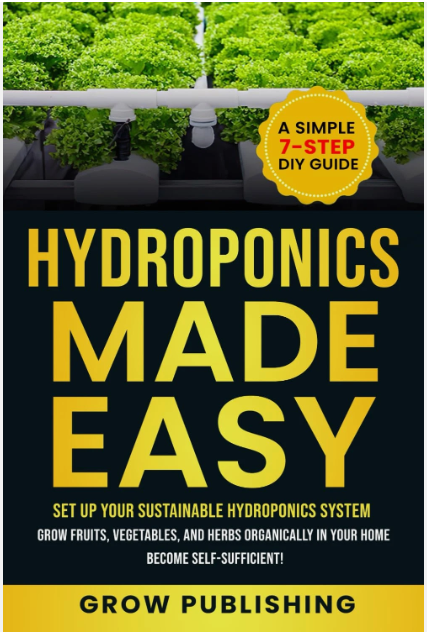
Hydroponics for Beginners by Jeree Harms

Hydroponics for Beginners

by Jeree Harms

A practical starter guide that covers the six main hydroponic systems, nutrient basics, and step-by-step projects you can build in a weekend. Great for first-timers who want to understand the fundamentals before investing in equipment.

View on Amazon
Hydroponics Made Easy by Grow Publishing

Hydroponics Made Easy

by Grow Publishing

A modern, up-to-date guide covering current hydroponic techniques and innovations. Clear explanations of system setup, nutrient management, and troubleshooting make this an excellent companion for growers who want practical, actionable advice.

View on Amazon
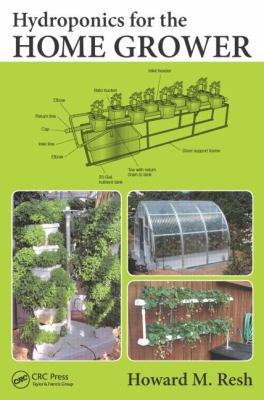
Hydroponics for the Home Grower by Howard M. Resh

Hydroponics for the Home Grower

by Howard M. Resh

From the author of the definitive Hydroponic Food Production reference, this companion volume is tailored specifically for home growers. Covers system selection, setup, nutrient management, and crop-specific advice at a practical, accessible level.

View on Amazon
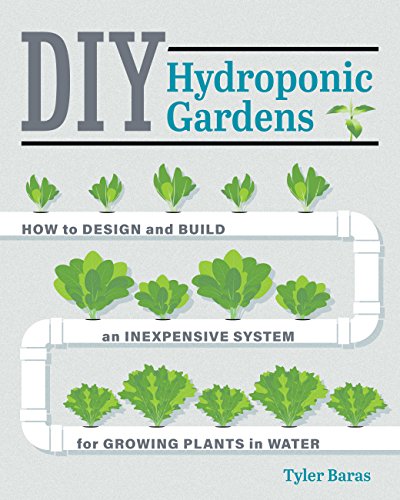
DIY Hydroponic Gardens by Tyler Baras

DIY Hydroponic Gardens

by Tyler Baras

Twelve fully illustrated build projects ranging from countertop herb gardens to backyard production systems. Each project includes a complete materials list, step-by-step photos, and growing tips — perfect for hands-on learners.

View on Amazon
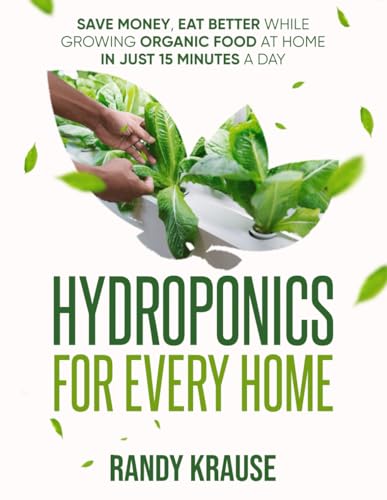
Hydroponics for Every Home by Randy Krause

Hydroponics for Every Home

by Randy Krause

A hands-on guide designed for home growers of all experience levels. Covers system builds, nutrient recipes, and crop planning with a focus on making hydroponics accessible and affordable in any living space.

View on Amazon
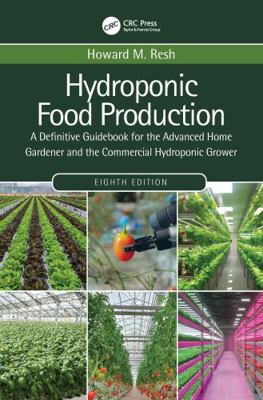
Hydroponic Food Production by Howard M. Resh

Hydroponic Food Production

by Howard M. Resh

The definitive reference for serious growers — now in its 8th edition. Covers every commercial and hobby system in depth, from nutrient film technique to vertical towers. Dense but thorough, with decades of research behind every recommendation.

View on Amazon

Hydroponic Systems

Full comparison

There are seven main types of hydroponic systems. Each delivers water and nutrients differently — affecting what you can grow, cost, and maintenance.

Quick Comparison

System Difficulty Cost Electricity Maintenance Best For Plans
Deep Water Culture Beginner $15–$60 Yes Low Lettuce, herbs, leafy greens, and small fruiting plants View plans
Kratky Method Beginner $5–$30 No Very Low Lettuce, herbs, leafy greens, and small plants View plans
Nutrient Film Technique Intermediate $50–$150 Yes Medium Lettuce, leafy greens, herbs, and strawberries View plans
Ebb & Flow Intermediate $40–$120 Yes Medium Wide variety of plants including fruiting vegetables View plans
Aeroponics Advanced $100–$300+ Yes High Fastest growth rates for leafy greens and herbs View plans
Drip System Intermediate $40–$130 Yes Medium Larger plants, tomatoes, peppers, cucumbers View plans
Wick System Beginner $5–$25 No Very Low Herbs, microgreens, lettuce, and small plants View plans

Best Systems for Beginners

New to hydroponics? These three systems are the easiest to build, cheapest to set up, and most forgiving to learn on.

Hydroponic Essentials Affiliate
RDWC Top Feed Drip System (4 Bucket + Reservoir)
Four buckets, a reservoir, and top-feed drip rings all plumbed together. The 24/7 recirculating design keeps pH and EC uniform so your tomatoes and peppers grow fast.
Flood Table Hydroponic Grow System (2x2 ft)
This all-in-one flood table kit comes ready to grow in under 20 minutes. Just add growing media and nutrients — the tray, reservoir, pump, and timer are all included.
Hydroponic Water Chiller (1/10 HP)
If your nutrient solution gets above 72F, root rot risk skyrockets. A water chiller keeps temps in the safe zone automatically. Essential for DWC growers in warm climates.
Budget option: Frozen water bottles rotated into the reservoir twice a day work in a pinch. But if you are growing year-round in a warm space, a chiller pays for itself in saved crops.

Growing Guides

View all 44 guides

Not sure which system to pick or how to grow a specific crop? Our guides break it down by what matters most.

University & Extension Resources

Free educational materials from leading agricultural universities and USDA extension programs.

Hydroponics Fact Sheet

Oklahoma State University Extension

Comprehensive overview of hydroponic systems, history, and nutrient management for ornamental crops, herbs, and vegetables.

Building a Floating Hydroponic Garden

University of Florida IFAS Extension

Step-by-step instructions with companion video for creating a simple floating hydroponic garden at home.

Hydroponic Systems Overview

University of Florida Small Farms

Defines common hydroponic systems and provides instructions and material lists for basic setups.

Hydroponic Greenhouse Virtual Field Day

University of Florida IFAS

Video tours and educational content covering hydroponic greenhouse operations and commercial growing techniques.

Home Hydroponics Handbook

University of Illinois Extension

Introductory PDF guide covering home hydroponic growing basics, ideal for beginners and classroom use.

Find Your Local Extension Agent

USDA NIFA

Locate your local agricultural extension office for free, expert advice on hydroponics and gardening in your area.

Opportunities in Hydroponics

Vegetable Crops Hotline

Historical perspective on how hydroponics developed from wartime food production to modern growing techniques.

Water-Culture Method for Growing Plants Without Soil

UC Berkeley / Internet Archive

The foundational 1950 research paper by Hoagland & Arnon that established the nutrient solution formulas still used today.

Hydroponics: A Practical Guide for the Soilless Grower

Purdue University Extension

Comprehensive guide covering nutrient management, system design, and crop production techniques for home and commercial growers.

Controlled Environment Agriculture Center

University of Arizona

Leading research center for greenhouse and hydroponic growing technologies, with educational resources and technical publications.

Hydroponic Crop Production

NC State University Extension

Chapter from the Extension Gardener Handbook covering hydroponic systems, nutrient solutions, growing media, and crop management for home gardeners.

Frequently Asked Questions

Hydroponics is a method of growing plants without soil, using nutrient-rich water instead. Plant roots are suspended in or exposed to a water-based nutrient solution, which delivers everything the plant needs to grow. Because plants don't have to search through soil for nutrients, they grow faster and often produce higher yields. There are seven main hydroponic systems, ranging from simple passive setups like Kratky (no electricity needed) to advanced active systems like aeroponics.

Absolutely. Beginner-friendly systems like Kratky, DWC, and Wick require no prior experience and can be built in under an hour with materials from any hardware store. Our free building plans include step-by-step instructions and complete materials lists. Many people successfully grow their first crop of lettuce or herbs within 30 days of starting.

You can start for under $25 with a simple Kratky or Wick system using basic containers, net pots, and nutrient solution. DWC systems typically cost $15–$60. More advanced systems like NFT, ebb and flow, and drip run $40–$150. Aeroponics systems start around $100+. Our plans include full cost breakdowns so you know exactly what you'll spend before you start.

Leafy greens (lettuce, spinach, kale) and herbs (basil, cilantro, mint) are the easiest crops to grow hydroponically and do well in every system type. Once you're comfortable, you can move on to fruiting plants like tomatoes, peppers, cucumbers, and strawberries — these do best in DWC buckets, drip systems, or ebb and flow setups that provide stronger nutrient delivery.

This page is a great starting point. Our growing guides cover specific crops and systems in detail. The university resources section below links to free extension programs from leading agricultural universities. You can also use our Plan My System wizard to get personalized recommendations based on your space, budget, and goals.

Want a Personalized Recommendation?

Tell us your space, budget, and goals — we'll match you with the right system and plan.